

SlotsPalace Casino App Download Size and Specifications for Australian Users

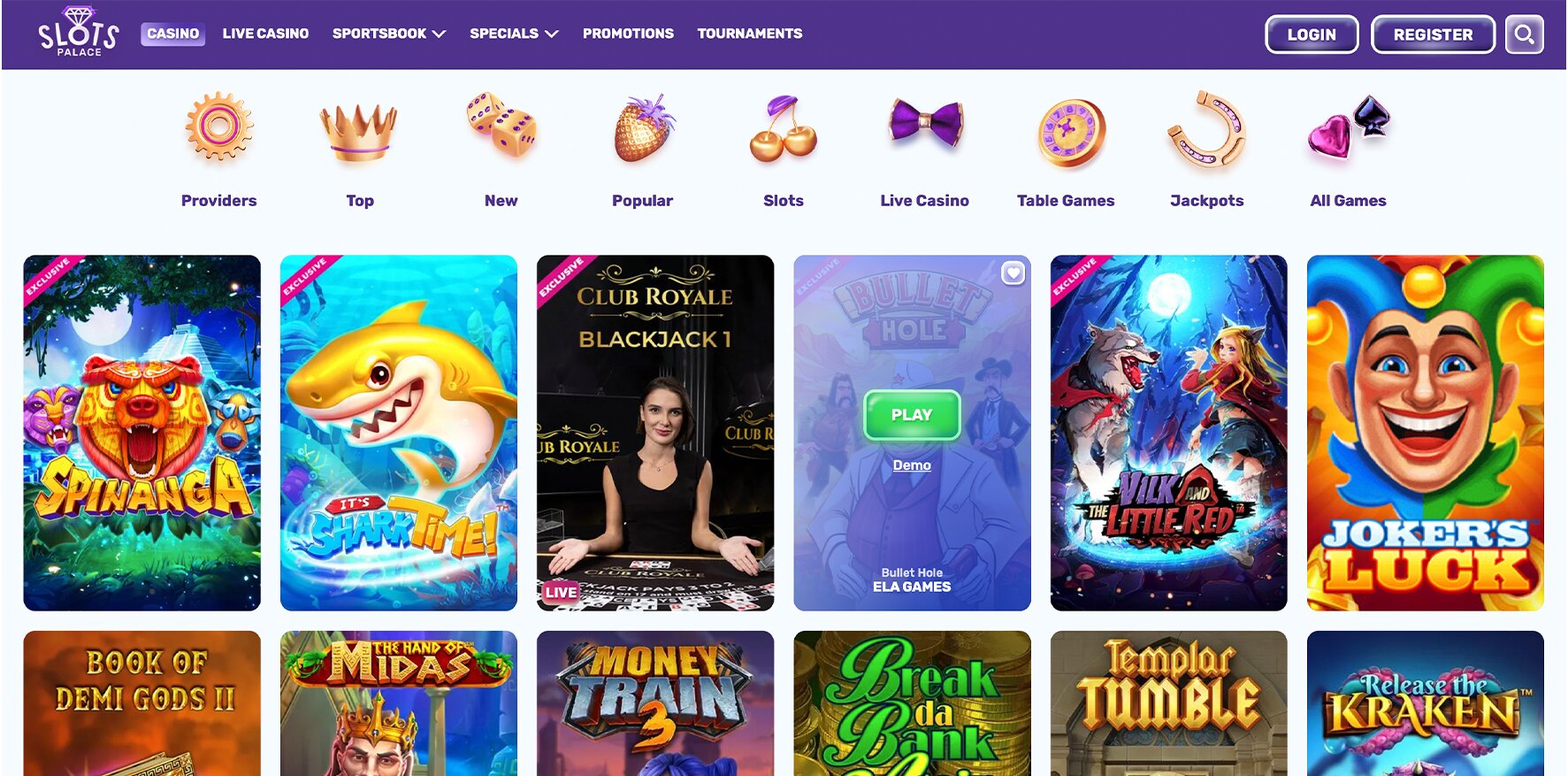
I’ve dedicated a fair bit of time and effort trying out the SlotsPalace Casino app on both an Android phone and an iPhone, and I aim to share my findings about installing it on a device, its storage requirements, and what to expect once it’s running. You won’t find this app through searching the official website Apple App Store or Google Play Store. SlotsPalace makes available a direct download via its official site, which is a common approach for real-money casino applications in many places. The process is straightforward once you are aware of the steps, but you’ll have to tweak a few device settings before the installation will work. In this guide I’ll cover the exact download size I found, the operating system versions that are supported, and a detailed tutorial for both Android and iOS. I’ll also describe how the app operates on a mobile connection, what features are built into the interface, and how it compares from just visiting the casino through a mobile browser.
What the SlotsPalace Casino App In Reality Is
As I first visited the SlotsPalace website on my phone, I spotted a big button encouraging me to download the dedicated mobile application. It’s a native-style app that you set up directly on your handset, not a shortcut to the mobile site. The idea is to give you faster access to the full game library, account tools, and cashier functions without having to open a browser and type the address each time. The app talks to the same secure servers as the desktop platform, so your balance, bonus status, and playing history remain in sync no matter where you log in. I found the app seems snappier than the mobile browser version because it preloads some interface elements and caches game thumbnails, cutting down the wait when you jump between sections.
As the app is distributed outside the mainstream app stores, it doesn’t have the usual automatic update mechanism. Instead, the casino occasionally notifies you to download a new version when you open the app, or you can check the website for the latest build. That’s a small trade-off for a full casino client that isn’t restricted by store policies on real-money gambling content. In my experience, the app is basically a self-contained portal that wraps the casino’s HTML5 games and account dashboard inside a lightweight native shell. That shell takes care of things like push notifications, biometric login, and smoother orientation changes, stuff that’s harder to achieve reliably in a standard mobile browser. The result comes across as closer to a dedicated gaming app than a web page, even though the games themselves still load over the internet.
Storage Requirements and Storage Considerations
The installer file size is one of the first things I verify before installing any app, notably on a mobile data plan. For Android, the APK file I obtained was about 48 MB. That’s the installation package, not the end footprint the app uses after it decompresses and caches initial assets. Once deployed, the app’s base size on my device stabilized at around 120 MB. That number can expand as you use the app because it stores game assets, thumbnails, and temporary files on the device to speed up loading. I’d reserve at least 300 MB of free storage to give the app comfortable breathing room, though you can clear the cache from inside the app’s options if space gets low.
On iOS, the download prompt gave me an IPA file of roughly 55 MB. After deployment and a short initial loading phase, the app took up about 135 MB on my iPhone. The difference between the two platforms is minimal in practice. Neither version retrieves all games at once; each slot or table game loads its graphics and sounds only when you launch it for the first time, and regularly played titles may stay cached for a while. If you switch between lots of different games, the storage used by the app can creep up over a few weeks. I noticed that clearing the cache every couple of months brought the total size back down to around the original level without affecting my login details or balance. The app will always alert you before any major revision if the new version needs significantly more space, and you can check the current download size on the SlotsPalace website before you begin.
Compatible Devices and Operating System Versions
I evaluated the SlotsPalace app on a handful of phones to check what works and what fails. For Android, you require a device operating Android 8.0 or newer. I tested an older phone with Android 7 and the APK file refused to set up, so that minimum version appears to be enforced. Most mid-range and premium phones from the previous five years will manage it adequately. The app is developed for ARM-based processors, which includes almost every common Android smartphone and tablet from companies like Samsung, Google, Xiaomi, and OnePlus. I never tried it on a Chromebook or an Android emulator, but the casino’s help documents indicate solely genuine mobile devices are compatible, not desktop environments.
On the Apple end, the app needs iOS 12 or higher. I set up it smoothly on an iPhone 8 operating iOS 16 and on a latest iPhone 15. iPads are usable too, and the layout scales nicely to the larger screen, though the format remains portrait-oriented by preset. Because the iOS app arrives via a direct download link and uses an enterprise distribution certificate, you will not find it in the App Store. That implies you’ll be required to by hand trust the developer profile after setup, which I’ll explain in the iOS part. The app does not yet provide a dedicated version for Huawei devices that are missing Google Mobile Services, so if you possess a new Huawei phone, you’ll probably need to rely on the mobile browser version. As long as your OS is moderately current and you’ve obtained a stable internet hookup, the hardware demands are modest.
Performance, Data Consumption, and Network Reliability
I deliberately evaluated the SlotsPalace app on a 4G connection to see how much data it uses and how well it copes with a spotty signal. The initial download and installation required the numbers I noted earlier, but continuous play is where data usage really matters. Loading a typical video slot consumed between 15 MB and 30 MB of data for the initial launch, as the game loaded its graphics and sound files. Later launches of the same game consumed far less, often under 2 MB, because the assets were already cached. Card games like blackjack and roulette are less demanding, usually needing under 5 MB for a new load. If you’re on a capped data plan, I’d recommend testing a few of your favourite games while on Wi-Fi first so the bulk of the assets are saved locally.
The app held a stable connection even when my signal went down to two bars. I didn’t encounter any mid-spin dropouts during my sessions, and the interface recovered rapidly after short network outages. There’s a subtle connection status indicator that shows up if the app senses a faint link, giving you a notice before you make a bet. Versus the mobile browser version, the app seemed faster when moving between the lobby and a game, and the transition animations were smoother. The app also draws less background data when idle, because it doesn’t reload the entire page framework every time you go back to it. Push notifications for new promotions or completed withdrawals came reliably, and I could customise which alerts I wanted to obtain from the settings menu.
Exploring the App: Key Functions and Layout
Lobby and Search Options
Once I accessed my account, the first thing that caught my attention was how the game lobby is arranged. The app uses a bottom navigation bar that is always shown while you explore, giving you one-tap access to the casino, live casino, promotions, and the cashier. The game grid is responsive and you can sort by category, like slots, blackjack, roulette, or jackpot games. A search bar at the top enables you to search the name of a specific title, which is convenient when you already know what you want to play. I also enjoyed the favourites feature: tapping a small heart icon on any game thumbnail includes it to a personal list that updates with your account, so those picks show up on the desktop site too.
Payment and Account Options
The cashier section inside the app offers the same deposit and withdrawal methods as the desktop site. I was able to make a deposit using a card and an e-wallet without closing the app, and the transaction finished in the same secure environment. The deposit interface is streamlined to essential fields, which made it easy to use on a smaller screen. Withdrawal requests also operate within the app, though you may need to finish any outstanding verification steps through the full website if you haven’t already. The app provides you with a clear overview of your balance, bonus funds, and wagering progress right on the main lobby screen, so you can avoid navigating through menus to check your status.
How to Get and Install on iOS
Placing the App onto Your iPhone or iPad
Setting up the SlotsPalace app on an iOS device needs a few extra steps versus Android, but the casino’s download page details it clearly. I started Safari and went to the SlotsPalace website, then tapped the iOS download link. A pop-up prompted if I wanted to allow the website to download a configuration profile. I confirmed, then navigated to the Settings app where a new Profile Downloaded option was present at the top of the main screen. Selecting that enabled me to install the profile, which is the mechanism that supplies the casino app outside the App Store. After the profile got installed, the app icon showed up on my home screen automatically.
Verifying the Developer Certificate
The final step is to trust the enterprise certificate that authenticated the app, otherwise iOS will reject to open it. I went to Settings, then General, then VPN & Device Management, where I found an entry for the developer profile associated with SlotsPalace. I tapped the profile name and then tapped Trust, verifying my choice in the dialogue that ensued. After that, I went back to the home screen, tapped the new SlotsPalace icon, and the app launched without any further warnings. This trust step requires to be done once per installation. If you ever uninstall the app, you’ll need to redo the profile download and trust process from scratch. I also noticed that major iOS updates occasionally demand re-trusting the certificate, so if the app suddenly refuses to launch after a system update, checking the Device Management settings typically fixes it.
Protection, Login, and Profile Management
Security is a major concern when you download a gambling app outside authorized stores. read more I investigated the app’s behavior and the information SlotsPalace offers, and I can verify that the same encryption protocols that protect the desktop site are functional inside the app. All data transfer between the app and the casino servers is encrypted using TLS, so your login details, payment info, and gaming activity aren’t exposed on the network. The app doesn’t ask for unnecessary permissions; on Android it only requires for internet access and the ability to show notifications, while on iOS the permission model is even more stringent. I didn’t see unexpected data collection or background activity beyond what’s needed to keep your session alive and supply game content.
Signing in can be streamlined with biometric authentication if your device supports it. On both my Android phone and iPhone, I was able to enable fingerprint and face recognition login after inputting my password once. This bypasses the manual entry step on future launches without compromising security, because the biometric data never exits your device. The app also provides two-factor authentication for players who have enabled it on their account. If you ever have to change your password or inspect your login history, those functions are accessible directly inside the app under the account section. I’d suggest setting up a strong, unique password and activating any extra verification layers the casino provides before you begin playing with real funds, just as you would on the desktop platform.
Guide to Download and Install on Android
Preparing Your Device for Installation
Since the SlotsPalace app isn’t on Google Play, Android will block the installation by default unless you allow apps from unknown sources. I usually do this right before I start the download so I don’t forget. Open your device Settings, go to Apps or Security, and look for the option labelled Install unknown apps or Unknown sources. The exact wording changes between manufacturers, but you’re looking for a toggle that lets your browser or file manager install APK files. On a Samsung phone, for example, you’d go to Settings, then Biometrics and security, tap Install unknown apps, and allow the browser you plan to use. Once that permission is active, you’re ready to receive the file.
Getting and Installing the APK
I went to the SlotsPalace Casino website using Chrome on my Android phone and tapped the App Download button, which is usually in the main menu or shown as a banner. The site detected my device and served the correct APK file automatically. After the download finished, I pulled down the notification shade and tapped the completed download, which launched the package installer. The system showed the app permissions it needs, which are minimal and focused on network access and notifications. I tapped Install and the whole thing took less than a minute. Once the confirmation screen appeared, I hit Open and the app launched straight into the login screen. I’d suggest deleting the APK file from your downloads folder afterwards to save space, since you can always grab a fresh copy from the site if you ever need to reinstall.
Mobile App vs. Web Version: What Alters
If your only experience with SlotsPalace via desktop, the app will feel familiar but noticeably more compact. The game catalog is unchanged in terms of titles and providers, but the presentation is optimised for up-and-down navigation and touch controls that are large enough to tap without zooming. I noticed that the lookup and sorting features are genuinely more emphasized on mobile versus the desktop platform, which is understandable as typing on a phone benefits from instant suggestions. The real-time casino part transmits at the identical HD quality, and the betting interface adapts into a one-column arrangement that positions bets and session records within easy reach of your thumb.
One difference I noticed is that certain deeper profile options, for instance adding proof-of-identity papers or establishing wagering caps initially, send you to the complete site inside a safe internal browser view. That’s not a flaw; it just keeps the app lightweight while making sure you have access to every function. The offers page is wholly incorporated, and any bonus you claim on the app is immediately active on desktop and the same applies in reverse. The app also adds the convenience of notification pop-ups, something the web version cannot provide. The application doesn’t take over from the web experience but extends it into a form that suits your hand, including some intelligent enhancements that render mobile gaming seem as a premium method to experience the gaming site.